Cloud-based supply chain platforms from AWS and Microsoft Azure combine analytics, database, and other features.


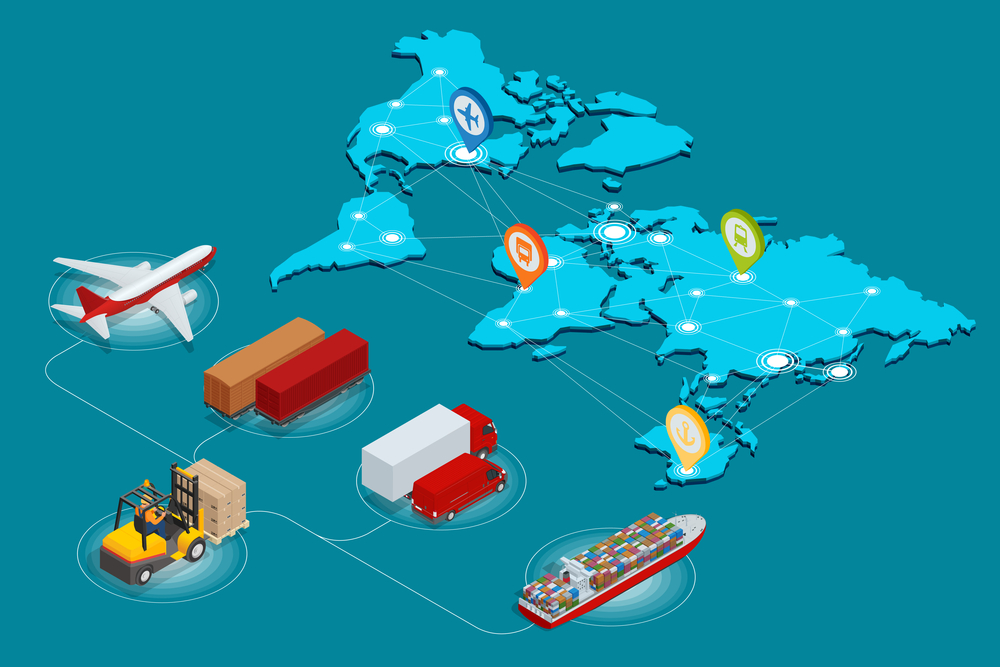
Both Microsoft and Amazon have recently unveiled competing platforms designed to improve and bolster the supply chain against a variety of disruptions. Hyperscalers such as these hope to leverage these new platforms to enhance data-driven decision-making and reduce further hiccups.
The Microsoft Supply Chain Platform, which is available now, uses Microsoft Azure, Dynamics 365, Microsoft Teams, and Power Platform. These foundational building blocks allow users to create supply chain-specific workflows and analyze operations.
The Microsoft Supply Chain Center—a core component currently in preview—will function as the control tower for data. This creates consistency across the entire chain and ensures rapid pivots are more possible.
See also: What is a Data Lakehouse?
Amazon’s answer is its AWS Supply Chain platform. It provides a data lake to orchestrate data and machine learning for analysis. In addition, it provides recommendations for appropriate actions. Like Azure, it will allow users to build supply chain-specific workflows.
Currently, Amazon’s offer is also in preview and expected to become more widely available sometime in 2023.
Although Google hasn’t announced its own offer yet, it did come out with the Supply Chain Twin earlier in 2022. Hyperscalers understand just how critical their involvement is in maintaining a strong and secure supply chain, so it’s no surprise that these rollouts have happened within a short time.
Companies wouldn’t need to move to other service providers to handle their supply chain needs, something that will provide a lot of success for both of these companies. Users will be able to take advantage of these new tools in addition to their existing suite based on whether they utilize AWS or Azure currently. And as the supply chain better processes and learns from data, that could spell an easier, disruption-resistant next few years for consumers.
Elizabeth Wallace is a Nashville-based freelance writer with a soft spot for data science and AI and a background in linguistics. She spent 13 years teaching language in higher ed and now helps startups and other organizations explain - clearly - what it is they do.
Cloud Data Insights is a blog that provides insights into the latest trends and developments in the cloud data space. We cover topics related to cloud data management, data analytics, data engineering, and data science.
Property of TechnologyAdvice. © 2026 TechnologyAdvice. All Rights Reserved
Advertiser Disclosure: Some of the products that appear on this site are from companies from which TechnologyAdvice receives compensation. This compensation may impact how and where products appear on this site including, for example, the order in which they appear. TechnologyAdvice does not include all companies or all types of products available in the marketplace.