Explore how AI and human expertise combine to strengthen cloud security, tackle cyber threats, and adapt to evolving challenges.


Cloud security is at a crossroads. As cyber threats grow more sophisticated and data volumes expand exponentially, organizations are turning to artificial intelligence (AI) to strengthen their defenses. Yet, the irreplaceable judgment of human expertise remains crucial. The alliance of AI and human intelligence offers a robust approach to detect, analyze, and respond to cloud security threats.
See also: Navigating the New Cloud Security Landscape
AI’s ability to process vast amounts of data has made it indispensable in cloud security. Threat detection begins with collecting telemetry data from diverse sources—mobile devices, servers, cloud environments, and user identities. These sources produce unstructured data, which AI normalizes and parses to create a unified framework for analysis.
Autonomous parsing, powered by generative AI and machine learning, is emerging as a solution to streamline this process. By automating the normalization of security data, organizations can eliminate labor-intensive manual configurations and accelerate threat identification. AI also supports anomaly detection by identifying suspicious patterns in user behavior, network traffic, and access patterns. These capabilities enable security teams to anticipate and neutralize risks before they escalate.
AI further enhances security by comparing real-time data against global threat intelligence. This process identifies potential threats such as blacklisted IP addresses, unauthorized logins, and unusual access behaviors. By automating these tasks, AI empowers organizations to maintain a proactive security posture.
While AI excels in processing and identifying patterns, it lacks the significant understanding that human analysts bring. For example, anomalies flagged by AI might be routine behavior in a specific organizational setting. Human analysts ensure that responses are tailored, reducing false positives and prioritizing real threats.
Incident response also exemplifies the importance of human involvement. AI can generate playbooks for addressing well-defined threats, but human oversight ensures actions are aligned with organizational priorities. Analysts contextualize AI-generated insights, refine threat intelligence, and address ethical considerations, creating a comprehensive approach to security.
This collaboration is particularly critical when dealing with novel threats. AI tools may struggle to recognize risks that deviate from their programmed patterns, underscoring the need for human adaptability and creative problem-solving.
Organizations are increasingly adopting AI-human collaboration to enhance cloud security. For example, a global financial institution used AI to monitor user access across its hybrid cloud. The system flagged suspicious activity from an overseas IP address. Human analysts investigated further, uncovering a coordinated phishing attack. This collaborative approach allowed the organization to block the threat and strengthen its defenses.
In healthcare, AI tools are being used to monitor access to sensitive patient data. By identifying anomalies in access patterns, these tools help prevent unauthorized breaches. Human teams review these alerts to ensure compliance with regulatory requirements and identify areas for improvement.
Despite its potential, AI integration in cloud security workflows presents challenges. One of the biggest hurdles is data quality. Security data often comes from disparate sources, requiring normalization before analysis. Autonomous parsing is addressing this issue, but widespread adoption is still a work in progress.
Bias in AI models is another concern. Training data that fails to account for diverse scenarios can lead to skewed results, necessitating human intervention to refine findings. Additionally, organizational resistance to adopting AI remains a challenge. According to a survey by PwC, 47% of companies cite a lack of skilled personnel as a barrier to implementing AI in cybersecurity. Addressing this gap requires investments in training and clear strategies to align AI tools with existing security frameworks.
The future of cloud security is being shaped by advancements in autonomous systems and generative AI. Autonomous response systems are enabling AI to act on threats in real time, reducing response times and minimizing damage. Research from Gartner predicts that by 2025, 75% of large organizations will rely on AI-driven security orchestration tools to manage incidents effectively.
Generative AI is also transforming security analytics. By enabling advanced search and trend analysis, these tools help organizations identify vulnerabilities and respond proactively. With AI managing repetitive tasks, human teams can focus on strategic initiatives, such as refining security policies and planning for emerging threats.
Upskilling security teams to work effectively with AI is becoming essential. Training programs that teach analysts how to interpret AI findings and apply them in real-world scenarios are critical. This collaboration ensures that organizations can address the complexity of modern threats with confidence.
To maximize the benefits of AI-human collaboration, organizations need a structured approach. Investing in AI tools that address key challenges, such as autonomous parsing and incident response, is a critical first step. These technologies can streamline workflows and enhance threat detection capabilities.
Clear role definitions within security teams are equally important. Human analysts should focus on contextualizing AI outputs, refining threat intelligence, and leading incident responses. This clarity fosters trust in AI systems and ensures effective integration into security operations.
Continuous training is another crucial element. By equipping security teams with the skills needed to interpret AI findings, organizations can enhance their overall security posture. This investment prepares teams to adapt to future advancements in technology, ensuring resilience in an evolving threat landscape.
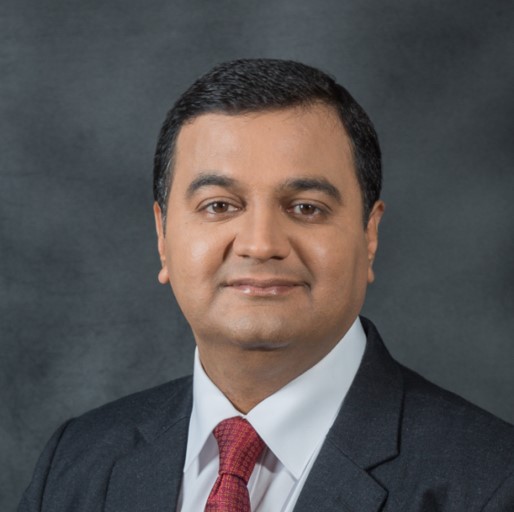
Anand Naik is the Co-Founder & CEO of Sequretek. He has worked in the corporate world for over 25 years with companies such as Symantec where he was the MD for South Asia, and previously with IBM and Sun Microsystems in technology roles. Naik is a subject matter expert in Cyber Security and has worked with several global giants in helping them define their IT security strategy, architecture, and execution models. He is among the top thought leaders in Cyber Security and has participated in various policy programs with Government of India and other industry bodies. He is responsible for product vision and operations at Sequretek.
Cloud Data Insights is a blog that provides insights into the latest trends and developments in the cloud data space. We cover topics related to cloud data management, data analytics, data engineering, and data science.
Property of TechnologyAdvice. © 2026 TechnologyAdvice. All Rights Reserved
Advertiser Disclosure: Some of the products that appear on this site are from companies from which TechnologyAdvice receives compensation. This compensation may impact how and where products appear on this site including, for example, the order in which they appear. TechnologyAdvice does not include all companies or all types of products available in the marketplace.