Find out why cognitive digital twins represent a logical next step for many companies in pursuit of digital transformation.


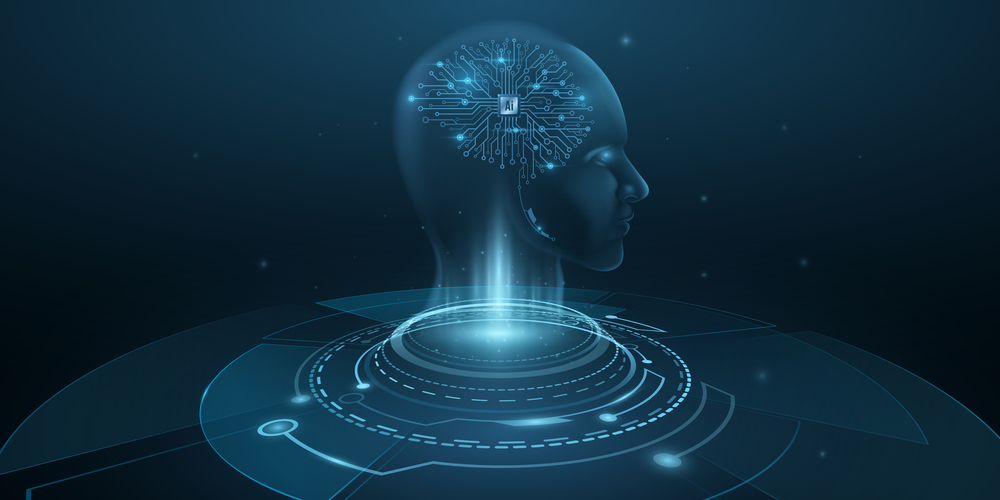
The concept of digital twins has been a game-changer in digital transformation. They’ve provided a virtual mirror to physical assets, processes, or systems and enabling unprecedented levels of analysis, monitoring, and prediction. But as technology evolves, so does our capacity to imbue these digital replicas with a previously unimaginable layer of intelligence. Enter the era of cognitive digital twins—where the line between the digital and physical world blurs even further. These advanced models do not just simulate reality. They learn from it, adapt to it, and potentially even anticipate future changes. If you thought digital twins were a leap forward, cognitive digital twins are set to redefine what’s possible. They’re offering insights and efficiencies that could transform industries.
But first, some background.
Cognitive digital twins are advanced digital models replicating physical objects, systems, or processes in a digital environment while incorporating cognitive computing capabilities. These capabilities enable the digital twins to learn, adapt, and optimize themselves based on data and interactions. In fact, it’s a lot like human mental processes. Here’s a breakdown of their key features and applications:
Cognitive digital twins represent a significant leap in digital modeling, offering dynamic, intelligent representations that can drive innovation and efficiency across various sectors.
Cognitive digital twins could profoundly impact strategic decision-making and innovation cycles. While many businesses adopt cognitive digital twins for operational efficiency and predictive maintenance, their potential extends beyond these applications. Here are some possibilities:
Cognitive digital twins can significantly shorten product and service design and development cycles. By simulating real-world conditions and user interactions in a virtual environment, businesses can rapidly prototype, test, and iterate on new ideas without the time and cost associated with physical prototypes. This can lead to faster innovation cycles, allowing companies to stay ahead in competitive markets.
The predictive analytics and scenario simulation capabilities of cognitive digital twins provide businesses with a powerful tool for strategic planning. Companies can use these models to forecast future trends, evaluate the potential impact of different strategies, and make informed decisions that align with long-term objectives. This strategic foresight is often underappreciated but can significantly affect a company’s ability to navigate complex market dynamics and emerging challenges.
Cognitive digital twins can foster enhanced collaboration across different departments within a company, breaking down silos that traditionally hinder information flow and decision-making. By providing a unified, interactive model of products, processes, or services, design, engineering, operations, and marketing teams can collaborate more effectively, ensuring a cohesive approach to problem-solving and innovation.
As businesses leverage more data and advanced AI within cognitive digital twins, they must navigate the complex landscape of data privacy, security, and ethical use of AI. Companies might not fully appreciate the need for robust governance frameworks to meet ethical considerations, which could lead to reputational damage and legal issues.
See also: Digital Twins: IoT-Powered Sandboxes Behind Smart Manufacturing
Cognitive digital twins can offer real-time insights into customer behavior and preferences by integrating data from various touchpoints. This aspect is particularly valuable for businesses looking to enhance customer experience and develop more personalized offerings. However, the potential of these insights for driving business strategy and customer engagement may not be immediately evident to all businesses.
However, some of the real surprises could lie in customization and personalization. Unlike traditional digital twins, which primarily focus on optimizing manufacturing processes, predictive maintenance, and operational efficiency, cognitive digital twins can dive much deeper. They leverage AI and machine learning to not only understand and simulate complex systems but also predict the behaviors, preferences, and needs of individual users in real time.
Here’s why this is significant:
The transition from traditional digital twins to cognitive digital twins marks a significant evolution in how businesses utilize technology for data analysis, artificial intelligence, and machine learning. Cognitive digital twins stand out for their dynamic nature. They learn from data and adapting in real time, representing a major leap from the static simulations of their predecessors. This adaptability is key to their predictive capabilities. It also allows them to forecast future scenarios with impressive accuracy, anticipate risks, and optimize operations to meet future demands.
The strategic decision-making enabled by cognitive digital twins offers companies a significant competitive advantage, providing deep, actionable insights that support informed and strategic decisions across all organizational levels. This capability for differentiation in crowded markets underscores the transformative potential of cognitive digital twins. They’re not just mirroring physical and digital realities. They’re using anticipation and learning to shape the future of industries. For many organizations, this path is unveiling a new dimension of digital interaction and operational intelligence.
Elizabeth Wallace is a Nashville-based freelance writer with a soft spot for data science and AI and a background in linguistics. She spent 13 years teaching language in higher ed and now helps startups and other organizations explain - clearly - what it is they do.
Cloud Data Insights is a blog that provides insights into the latest trends and developments in the cloud data space. We cover topics related to cloud data management, data analytics, data engineering, and data science.
Property of TechnologyAdvice. © 2026 TechnologyAdvice. All Rights Reserved
Advertiser Disclosure: Some of the products that appear on this site are from companies from which TechnologyAdvice receives compensation. This compensation may impact how and where products appear on this site including, for example, the order in which they appear. TechnologyAdvice does not include all companies or all types of products available in the marketplace.