The convergence of edge, AI, and data in motion is a powerful shift forward.



The convergence of AI, edge computing, and data-in-motion represents a powerful trend in technology that has the potential to transform various industries and enhance the capabilities of computing systems. Let’s explore each of these elements and how they intersect.
Each of these plays a role in how technology will shape the future of industry.
AI, of course, refers to the development of computer systems that can perform tasks that typically require human intelligence. This includes learning, reasoning, problem-solving, perception, and language understanding tasks.
AI plays a central role in the convergence by providing the intelligence needed to analyze and derive insights from data. Machine learning algorithms, deep learning models, and other AI techniques enable systems to understand patterns, make predictions, and optimize processes.
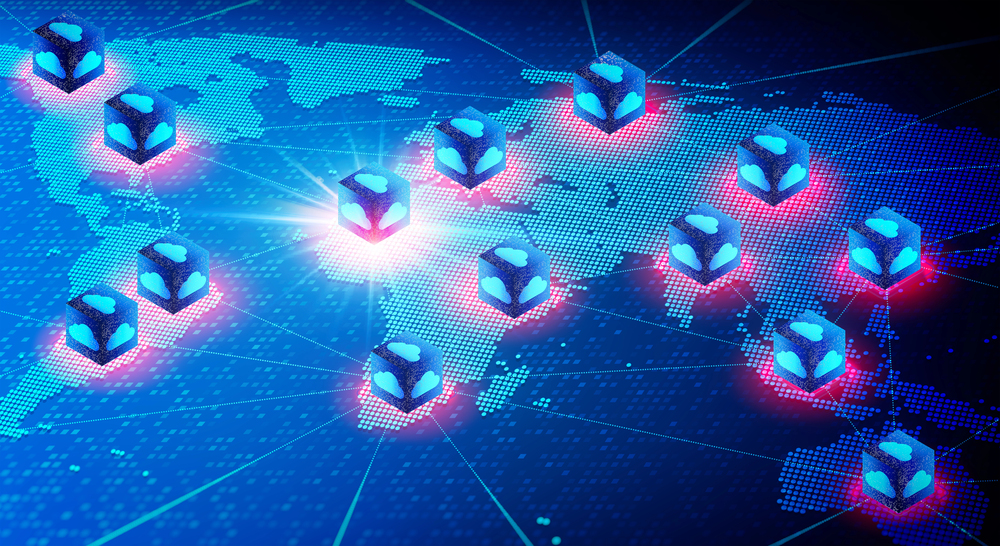
Edge computing involves processing data near the source of data generation rather than relying on a centralized cloud server. It brings computational power closer to where data is produced, reducing latency and improving efficiency.
Edge computing is crucial for AI applications that require real-time processing and low latency. By processing data locally on edge devices, AI algorithms can make faster decisions, which is particularly important for applications such as autonomous vehicles, industrial automation, and augmented reality.
See also: IoT and Edge Market in Flux, Focus Turns to Industrial and Building Intelligence
Data-in-motion refers to the streaming or real-time flow of data from one point to another. This data is actively moving and being processed as it travels between devices or systems.
Real-time data is essential for many AI applications, and data-in-motion ensures that the latest information is available for analysis. Streaming data from sensors, devices, or other sources enables AI systems to respond quickly to changing conditions, contributing to more dynamic and adaptive solutions.
The convergence of AI, edge, and data-in-motion represents a holistic approach to computing where intelligent systems operate at the edge, leveraging real-time data to make decisions and optimize processes.
This convergence is particularly valuable when low latency, privacy concerns, and bandwidth limitations make centralized cloud processing less practical.
Applications of Convergence:
The convergence of AI, edge computing, and data-in-motion form a symbiotic relationship that enables intelligent systems to operate efficiently, respond in real time, and address the challenges associated with processing large amounts of data at the edge. This convergence has the potential to drive innovation across various industries and pave the way for more advanced and responsive applications.
Let’s explore how these advantages manifest in real-world applications across various sectors, highlighting the tangible benefits and illustrating the potential for innovation and efficiency gains. From smart cities to industrial IoT and autonomous vehicles, the convergence is not just a theoretical concept but a powerful catalyst for positive change across the industrial spectrum.
Navigating the convergence of AI, edge computing, and data-in-motion brings challenges and considerations that demand careful attention. Here are key points to bear in mind:
In the next section, we will explore how these benefits manifest in real-world applications across industries, showcasing the transformative impact of the synergy between AI, edge computing, and data-in-motion.
These are some of the applications to keep an eye on as technology progresses.
AI, edge computing, and data-in-motion is revolutionizing urban living. Real-time data processing at the edge enables cities to optimize services dynamically. From traffic management that adapts to changing patterns in real-time to energy-efficient lighting systems responding to environmental conditions, smart cities leverage this convergence to enhance the quality of life for residents.
In the industrial landscape, the convergence is a game-changer for the Industrial Internet of Things (IIoT). Predictive maintenance, powered by AI algorithms at the edge, allows industries to anticipate equipment failures before they occur, minimizing downtime. The real-time analysis of production data optimizes manufacturing processes, enhancing efficiency and reducing operational costs. The result is a more resilient and responsive industrial ecosystem.
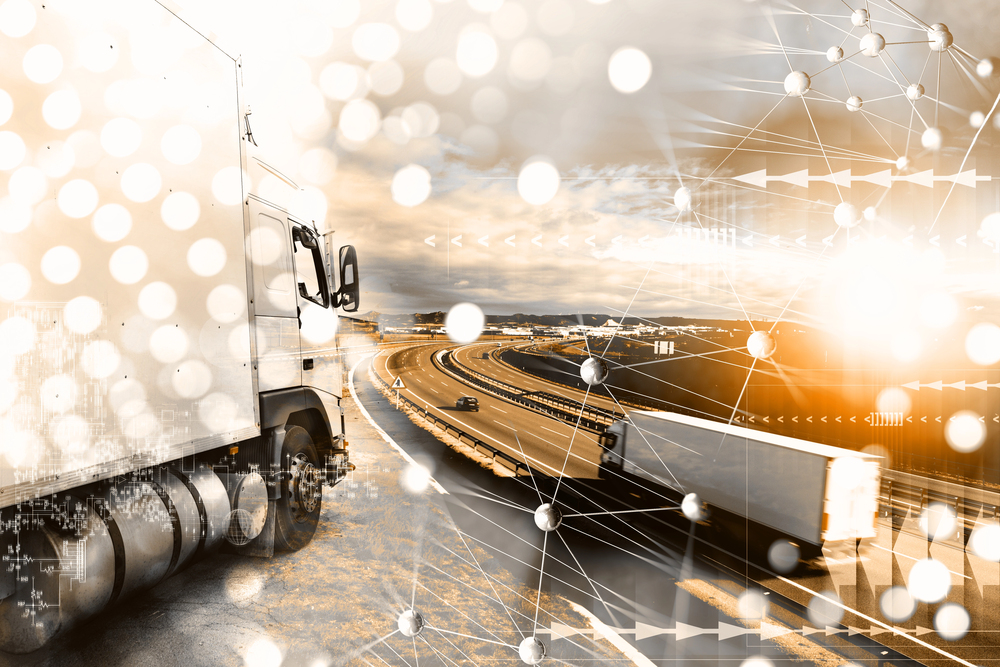
Autonomous vehicles rely on split-second decision-making, and the convergence of AI, edge computing, and data-in-motion is the linchpin of their success. Processing sensor data locally allows vehicles to make real-time decisions, ensuring enhanced safety on the road. From navigating complex traffic scenarios to adapting to sudden changes in road conditions, this convergence is at the heart of the evolution towards safer and more reliable autonomous transportation.
Looking ahead, the convergence landscape is poised for exciting advancements. Here are key trends and innovations shaping the future.
The future promises even more advanced technologies shaping the convergence landscape. Edge AI, federated learning, and edge-native applications are emerging as key trends. These technologies aim to push intelligence closer to the data source. This will reduce reliance on centralized cloud infrastructure and further enhancing the capabilities of edge devices.
Advancements in hardware and software are pivotal to the continued evolution of the convergence. Improved edge computing hardware, such as specialized AI chips and edge processors, will empower devices to handle increasingly complex computations. Similarly, software innovations, including more sophisticated AI algorithms and decentralized processing frameworks, will drive efficiency and scalability.
As the convergence matures, it is expected to profoundly impact technology landscapes across diverse sectors. The seamless integration of AI, edge computing, and data-in-motion from healthcare to agriculture will foster innovation, create new business models, and drive efficiency. The continued democratization of these technologies will empower organizations of all sizes to harness the benefits, leading to a more interconnected and intelligent future.
The convergence of AI, edge computing, and data-in-motion marks a transformative paradigm shift, unlocking unprecedented possibilities. Businesses and industries are urged to embrace this synergy for enhanced efficiency and innovation. As we progress, the potential for continued growth and advancement is vast. It promises a future where the seamless integration of intelligence and real-time processing reshapes the technological landscape. Embrace the convergence and usher in a new era of interconnected, intelligent solutions.
Elizabeth Wallace is a Nashville-based freelance writer with a soft spot for data science and AI and a background in linguistics. She spent 13 years teaching language in higher ed and now helps startups and other organizations explain - clearly - what it is they do.
Cloud Data Insights is a blog that provides insights into the latest trends and developments in the cloud data space. We cover topics related to cloud data management, data analytics, data engineering, and data science.
Property of TechnologyAdvice. © 2026 TechnologyAdvice. All Rights Reserved
Advertiser Disclosure: Some of the products that appear on this site are from companies from which TechnologyAdvice receives compensation. This compensation may impact how and where products appear on this site including, for example, the order in which they appear. TechnologyAdvice does not include all companies or all types of products available in the marketplace.