Generative AI is changing how companies are thinking about cloud storage.


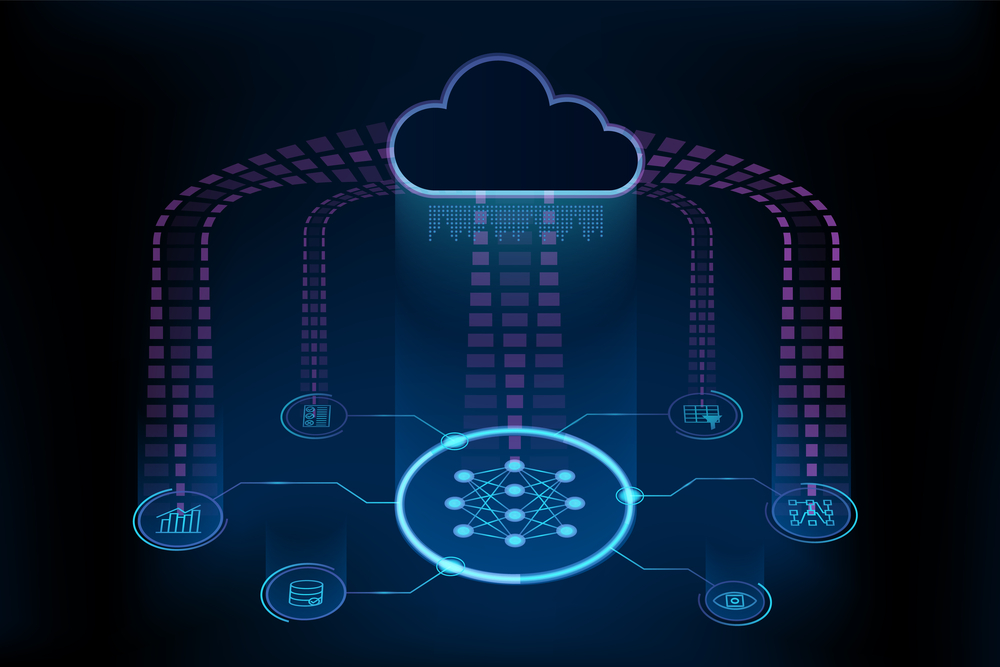
Generative AI (GenAI) is a rapidly evolving and increasingly influential force. This domain, encompassing sophisticated machine learning models that generate text, images, and other complex outputs, is reshaping just about everything, technology-focused or otherwise. As GenAI systems grow in complexity and capability, so too do their demands for vast, diverse, and ever-expanding datasets. These escalating data requirements are not just a technical challenge; they represent a pivotal shift in how enterprises approach data and cloud storage and management.
In response to this shift, a significant transition is occurring within the storage strategies of organizations. Enterprises, recognizing the limitations of traditional storage paradigms, are increasingly turning towards hybrid cloud storage solutions. This move is not merely a trend but a strategic adaptation to the unique demands posed by GenAI. Hybrid cloud storage, with its blend of on-premises and cloud-based resources, offers a flexible and scalable approach to data management. It provides the agility to handle large volumes of data generated by GenAI applications while also addressing security, compliance, and cost-efficiency concerns.
See also: Cloud Control: Effective Strategies for Navigating the Multi-Cloud Era
As GenAI continues to advance and integrate deeper into various sectors – from healthcare and finance to entertainment and academia – the role of hybrid cloud storage becomes ever more critical. This integration is not a simple plug-and-play solution; it requires a nuanced understanding of both the capabilities of GenAI and the intricacies of cloud and on-premises storage systems. The evolution of storage strategies in response to GenAI is a testament to the dynamic nature of technological progress and the continuous adaptation enterprises require to stay at the forefront of innovation.
The migration towards hybrid cloud storage in the realm of Generative AI (GenAI) is driven by a confluence of factors, chief among them being the burgeoning data volumes and the intricate nature of GenAI applications.
GenAI applications are renowned for their voracious appetite for data. As these models delve into more complex tasks, such as generating high-fidelity images or understanding nuanced human languages, the quantum of data required scales exponentially. This data isn’t just vast in volume; it’s varied in type and complex in structure. Handling such multifaceted data necessitates a storage solution that’s expansive and adept at managing the complexities of data types and formats.
Traditional on-premises storage systems, while robust and secure, often lack the scalability and flexibility required for such dynamic data handling. Conversely, cloud storage offers the necessary scalability but can sometimes fall behind in areas of data sovereignty and latency-sensitive operations. This is where the hybrid cloud model comes into play, presenting a balanced solution that harnesses the best of both worlds.
See also: A Roadmap to Boost Data Team Productivity in the Era of Generative AI
In the hybrid cloud storage model, the scalability and flexibility of the cloud are leveraged to handle large-scale data processing and storage needs. This is particularly beneficial for GenAI applications that continuously evolve and require swift scaling of resources. The cloud component allows enterprises to adapt to these changing needs without the capital expense and physical constraints of expanding on-premises infrastructure.
Simultaneously, the hybrid model retains critical aspects of on-premises storage, notably control and security. Data security and compliance are non-negotiable for organizations, especially those in regulated industries like healthcare and finance. The on-premises element of hybrid cloud storage provides the control needed to manage sensitive data, meet regulatory requirements, and ensure that critical operations are not entirely dependent on external cloud environments.
This balance is not just a matter of convenience; it’s a strategic imperative. The flexibility of the cloud enables enterprises to experiment with and deploy GenAI applications rapidly. At the same time, controlling on-premises storage ensures that they can manage and protect their core assets effectively. In essence, hybrid cloud storage is emerging as a foundational component in the GenAI era, facilitating innovation while safeguarding the integrity and security of enterprise data.
Adopting hybrid cloud storage in response to the demands of Generative AI (GenAI) presents several significant challenges, encompassing technical, logistical, security, and compliance aspects.
Integrating cloud storage with existing on-premises infrastructure is a complex endeavor. It involves ensuring compatibility between different systems and technologies and managing data transfer and accessibility across diverse platforms. Additionally, streamlining workflows to optimize data management across hybrid environments is essential but can be intricate. Challenges also arise in scaling the infrastructure to meet evolving data needs without disrupting existing operations.
Maintaining robust security as data traverses between cloud and on-premises systems is a major challenge. This is compounded by the need to adhere to industry-specific regulations and data residency requirements. Ensuring regulatory compliance and data sovereignty across both environments is crucial but often challenging. Proactive risk management and continuous monitoring are imperative to address potential threats and vulnerabilities in a dynamic hybrid environment.
Successfully navigating the complex landscape of hybrid cloud storage requires strategic and thoughtful approaches. Organizations must focus on several key areas to overcome the technical, logistical, security, and compliance challenges associated with integrating cloud and on-premises solutions.
By focusing on these areas, organizations can effectively manage the complexities of hybrid cloud storage, ensuring a secure, compliant, and scalable infrastructure that fully supports the demands of GenAI applications.
The adoption of hybrid cloud storage by enterprises is being shaped not only by its potential benefits but also by the challenges it presents. These challenges influence how and why industries implement hybrid cloud solutions.
Adoption Trends in Various Industries
The challenges associated with hybrid cloud storage, such as technical integration complexities and security concerns, are influencing the pace and manner of its adoption across industries. Sectors with high regulatory compliance needs, like healthcare and finance, are particularly cautious, ensuring that security and compliance are not compromised while pursuing scalability and flexibility. The technical challenge of integrating disparate systems is leading some enterprises to seek partnerships with experienced vendors who can provide expertise and tailored solutions.
Overall, the industry adoption of hybrid cloud storage is marked by a careful balancing act, where the benefits of scalability and flexibility are weighed against the need for security, compliance, and seamless integration. This cautious yet strategic approach is guiding the transformation of enterprise data management in the era of GenAI.
So what does that look like in the real world? Here are some hypothetical examples:
See also: Explore the Mutual Advantages of Generative AI and the Cloud
As Generative AI (GenAI) continues to grow and evolve, the landscape of hybrid cloud storage is expected to undergo significant transformations. These changes will be a result of both the escalating demands of GenAI applications and the continuous advancements in storage technology.
See also: Navigating the Cloud in 2024: AI Disruptions, Emerging Players, and Standardization Challenges
The future of hybrid cloud storage in the context of GenAI should see dynamic growth and innovation. With an emphasis on automation, security, scalability, and sustainability, these advancements will not only cater to the increasing demands of GenAI but also pave the way for new capabilities and applications in various sectors. As technology evolves, so too will the strategies and solutions for managing the ever-growing data needs of GenAI, offering exciting prospects for enterprises and technology providers alike.
Elizabeth Wallace is a Nashville-based freelance writer with a soft spot for data science and AI and a background in linguistics. She spent 13 years teaching language in higher ed and now helps startups and other organizations explain - clearly - what it is they do.
Cloud Data Insights is a blog that provides insights into the latest trends and developments in the cloud data space. We cover topics related to cloud data management, data analytics, data engineering, and data science.
Property of TechnologyAdvice. © 2026 TechnologyAdvice. All Rights Reserved
Advertiser Disclosure: Some of the products that appear on this site are from companies from which TechnologyAdvice receives compensation. This compensation may impact how and where products appear on this site including, for example, the order in which they appear. TechnologyAdvice does not include all companies or all types of products available in the marketplace.