Data security posture management and cloud security posture management are two sides of the same coin.


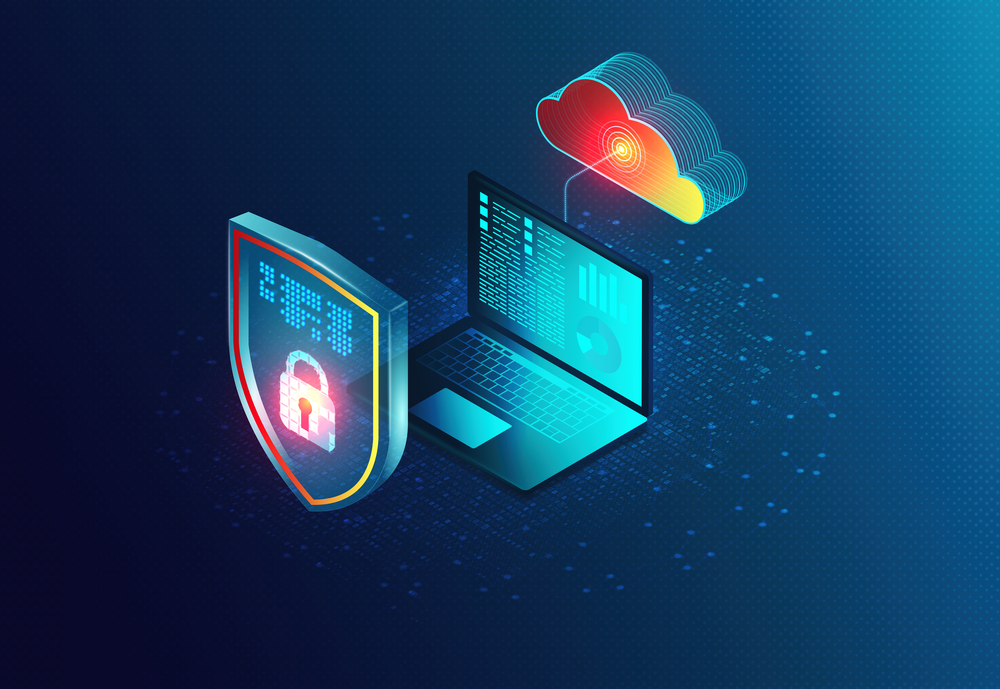
Cloud security measures have continually evolved to meet emerging challenges. The ascent of Cloud Security Posture Management (CSPM) marked a promising leap in this evolution, serving as a bulwark against the vulnerabilities of cloud infrastructures.
Yet, as we fast-forward to today, while CSPM remains a vital tool, it has shown certain limitations. Recognizing this, a new player enters the arena: Data Security Posture Management (DSPM). Offering a different perspective, DSPM is becoming pivotal in cloud security.
See also: Addressing Cloud Native Security Risks in an Evolving Landscape
CSPM and DSPM, at their cores, are mechanisms built to bolster cloud security. But their approach differs significantly. CSPM is fundamentally designed to secure cloud infrastructures, encompassing IaaS, PaaS, and SaaS architectures. Its primary function is identifying misconfigurations, vulnerabilities, and compliance violations across an organization’s cloud environment.
On the other hand, DSPM is a more data-centric approach. Instead of focusing solely on infrastructure, DSPM zeroes in on ensuring sensitive data maintains the correct security posture, regardless of location or replication status.
CSPM has shown strengths in quickly detecting misconfigurations and vulnerabilities in cloud infrastructure. It’s a vital tool in an era where the complexity of cloud infrastructures and a shortage of skilled cloud security professionals persist.
However, CSPM is often data agnostic. If you detect misconfigured cloud resources using CSPM, you won’t necessarily discern which sensitive data is at risk or its intended security posture. This data-agnostic nature forces additional time and effort into discerning the nuances of every security alert, thereby increasing the chances of missing a critical threat.
What sets DSPM apart is its sophisticated technological backbone. By harnessing cutting-edge algorithms, DSPM tools can dive deep into vast datasets, providing insights previously unattainable. Machine Learning (ML) and Artificial Intelligence (AI) play pivotal roles here. These technologies enable DSPM solutions to identify unsecured data and understand its intended security posture actively.
Data Security Posture Management (DSPM) tools utilize a range of sophisticated algorithms to perform their tasks effectively. Given the multifaceted nature of the challenges they address, these tools employ a combination of traditional algorithms and advanced machine-learning techniques. Here are some categories of algorithms and techniques they might leverage:
It’s worth noting that the effectiveness of these algorithms and techniques often depends on the specific needs and configurations of the organization, the quality of the data they work with, and the integration with other systems and tools in the organization’s security infrastructure.
Cloud Security Posture Management (CSPM) tools also utilize a range of algorithms to ensure the correct security posture of cloud infrastructures. These algorithms are typically tailored to assess, monitor, and remedy cloud infrastructure misconfigurations, vulnerabilities, and compliance violations. Here are some of the types of algorithms and techniques that CSPM might employ:
It’s essential to recognize that while CSPM focuses on the infrastructure aspect of cloud security, its methodologies and algorithms share similarities with DSPM. However, they are tailored towards different facets of security: infrastructure for CSPM and data for DSPM.
For developers, understanding DSPM is more than just a cursory need. In today’s digital landscape, data frequently moves between environments—development, staging, production, and others. Each movement potentially alters the data’s security posture, introducing vulnerabilities.
Developers play an integral role in ensuring that data retains its security posture throughout its lifecycle. Ensuring that sensitive data remains appropriately secured, whether in its original state or as a replica in a testing environment, is paramount.
Integrating DSPM tools into the development lifecycle can prove transformative. Without DSPM, developers often encounter challenges like data breaches stemming from replicated data in lower environments, exposed PII, or leaked developer secrets.
But with DSPM in place, these vulnerabilities are swiftly identified. For instance, if a developer unintentionally replicates sensitive data in a testing environment without the proper security controls, DSPM tools can alert them, provide remediation steps, and even identify the original data owner.
Consider a real-world scenario: A company experienced a data breach because sensitive data was inadvertently replicated to a development environment without adequate security measures. With DSPM in place, the tool immediately flagged this data movement and guided the developer on restoring the original security posture, preventing a potentially disastrous breach.
In the intricate tapestry of cloud security, CSPM and DSPM emerge not as mutually exclusive methods but rather as complementary techniques that fortify different facets of the digital realm. CSPM focuses on strengthening the very infrastructure of cloud environments, while DSPM ensures the security of the invaluable data housed within it. CSPM excels at reducing the infrastructure’s attack surface by remedying misconfigurations, whereas DSPM focuses on reducing the risk stemming from vulnerable data.
Recognizing the synergies between these two approaches and integrating them is paramount to crafting a comprehensive and resilient cloud security strategy. They are not adversaries but two sides to the same coin.
While DSPM zeroes in on a data-centric approach and CSPM fortifies cloud infrastructure, they should be seen as complementary rather than competitive. Leveraging the strengths of both provides a robust defense mechanism against the multifaceted threats in the cloud realm. For developers and security professionals alike, this dual approach ensures that both the pathways to data (CSPM) and the data itself (DSPM) are adequately safeguarded.
The paradigms in cloud security are undoubtedly shifting. While the past emphasized infrastructure-centric approaches, the present and future are leaning towards recognizing the primacy of data. For developers, staying abreast of these changes isn’t just recommended—it’s imperative. By understanding and leveraging both CSPM and DSPM, developers can ensure they’re at the forefront of cloud security, ready to tackle the challenges of tomorrow.
Elizabeth Wallace is a Nashville-based freelance writer with a soft spot for data science and AI and a background in linguistics. She spent 13 years teaching language in higher ed and now helps startups and other organizations explain - clearly - what it is they do.
Cloud Data Insights is a blog that provides insights into the latest trends and developments in the cloud data space. We cover topics related to cloud data management, data analytics, data engineering, and data science.
Property of TechnologyAdvice. © 2026 TechnologyAdvice. All Rights Reserved
Advertiser Disclosure: Some of the products that appear on this site are from companies from which TechnologyAdvice receives compensation. This compensation may impact how and where products appear on this site including, for example, the order in which they appear. TechnologyAdvice does not include all companies or all types of products available in the marketplace.