Learn how to scale your application infrastructure using Kubernetes and microservices with CDI and Middleware.io.



Kubernetes is revolutionizing the capabilities of microservices. When Kubernetes manage and deploy microservices, they adapt and scale to meet changing demands.
Kubernetes is an open-source container orchestration platform. It automates the deployment, management, and scaling of applications in distributed environments. It has an ecosystem of tools and integrations that aid in microservices deployment. A microservices architecture focuses on creating many independent services. They are a collection of small, loosely coupled services that can be deployed & scaled individually. Each microservice focuses on a specific business capability.
In this article, we will dive deeper into how Kubernetes enhances microservices and how to integrate them effectively.
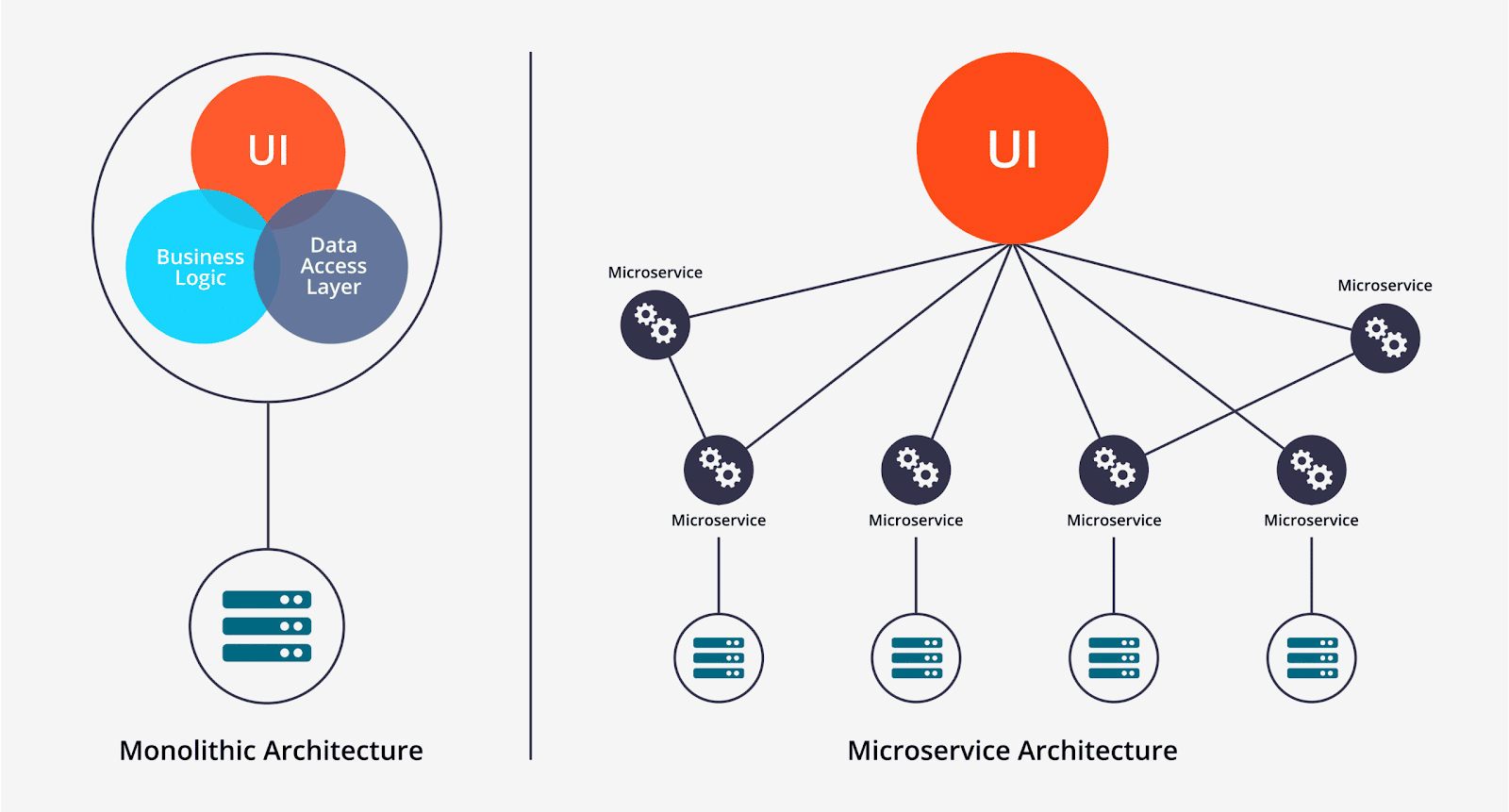
Scaling microservices is crucial for ensuring optimal application performance and eliminating bottlenecks. Microservices have numerous options for scaling. We will expand on that later in the article.
Here are a few points that ensure that microservices are being scaled effectively:
To maximize the potential of scaling microservices using Kubernetes, follow reliable methods. Here are the five main points to take note of.
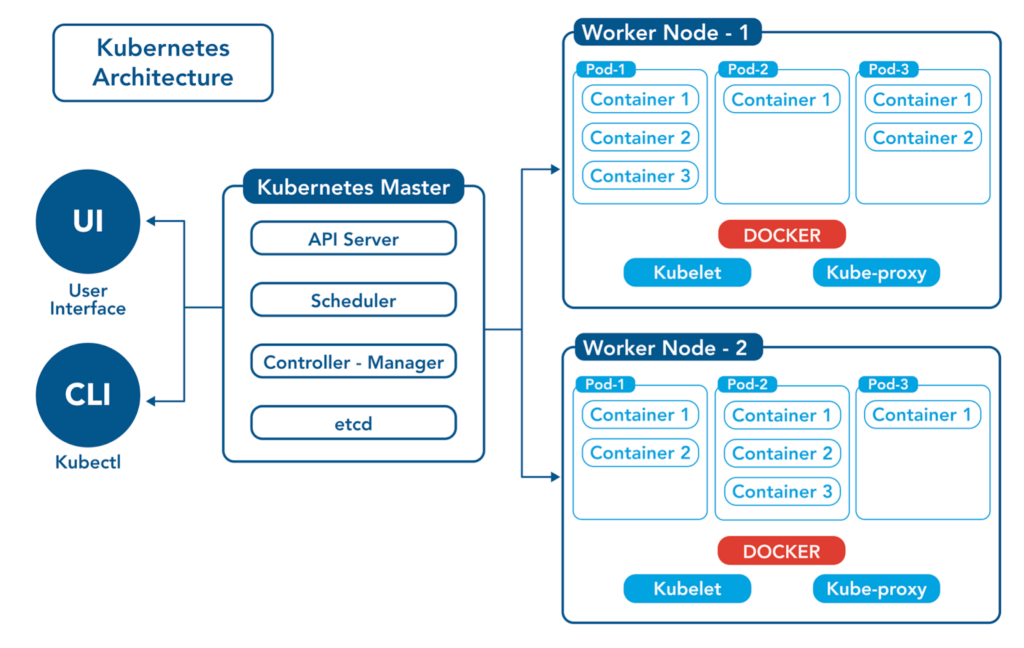
There should be provisions made for scalability while designing microservices. Automated scaling and appropriate sizing of virtual machines can meet any future needs.
The following points can make sure that the designed microservices are scalable:
A stateless service does not store any information about the application’s state. This ensures that no data is lost when Kubernetes scale the services.
The risk of cascading failures reduces when services have minimal dependencies on each other. Loose coupling also makes it easier to scale individual services.
API versioning is always prudent while creating updates. This will prevent overwriting of changes made by a service, and it will also allow for a smoother scaling process.
Service discovery helps identify the location of the services being employed in Kubernetes. This helps prevent failures due to incorrect or outdated configuration settings.
Read the rest of this article on RTInsights.
Jinal Lad Mehta also contributed to this article.
Mehta is a digital marketer at Middleware AI-powered cloud observability tool. She is known for writing creative and engaging content. She loves to help entrepreneurs get their message out into the world. You can find her looking for ways to connect people, ideas, and products.
Keval Bhogayata is a passionate and versatile professional with expertise in Information & Communications Technology. He is a Senior Software Developer at Middleware, over the course of his 4-year career; he has excelled in various roles, including Developer, DevOps Engineer, and Tech content writer. His areas of expertise include OpenTelemetry and Observability. He has recently started his Youtube channel @DevBTS, dedicated to learnings from people in the Software Engineering field.
Cloud Data Insights is a blog that provides insights into the latest trends and developments in the cloud data space. We cover topics related to cloud data management, data analytics, data engineering, and data science.
Property of TechnologyAdvice. © 2026 TechnologyAdvice. All Rights Reserved
Advertiser Disclosure: Some of the products that appear on this site are from companies from which TechnologyAdvice receives compensation. This compensation may impact how and where products appear on this site including, for example, the order in which they appear. TechnologyAdvice does not include all companies or all types of products available in the marketplace.